

The early years of a child’s life are a time of rapid growth and development. During this stage, children begin to understand language, recognize patterns, and explore the world around them. What they experience during these years plays a major role in shaping their learning abilities and confidence in the future.
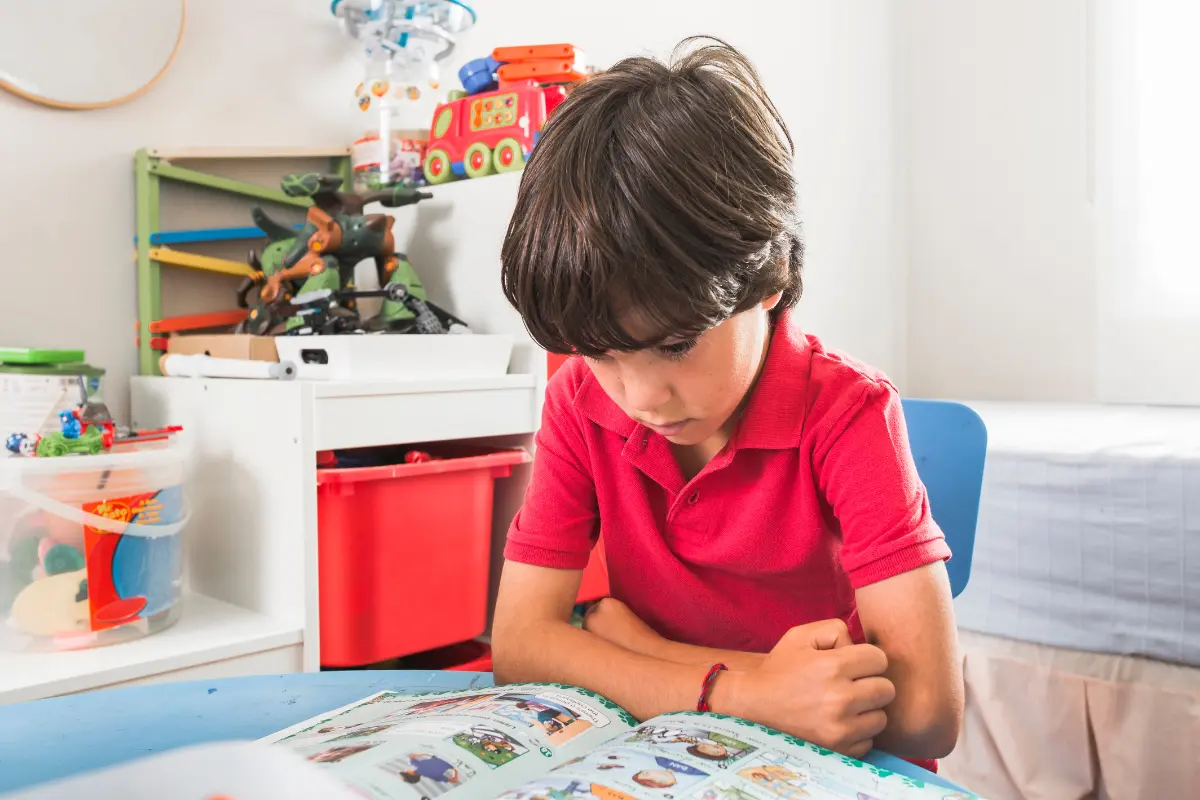
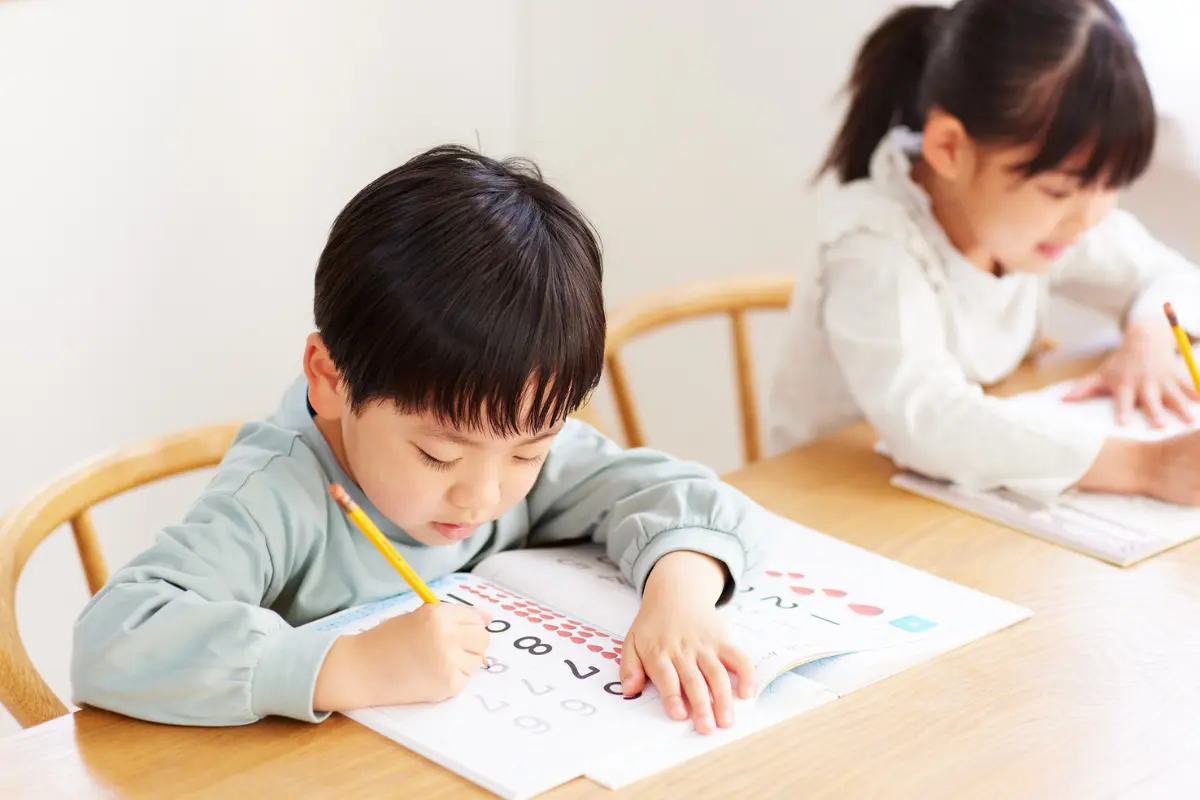
Early learning does not mean strict lessons or academic pressure. Instead, it is about introducing children to basic concepts in a way that feels natural and enjoyable. Activities such as listening to sounds, identifying letters, and matching words with images help children build strong cognitive skills while having fun.
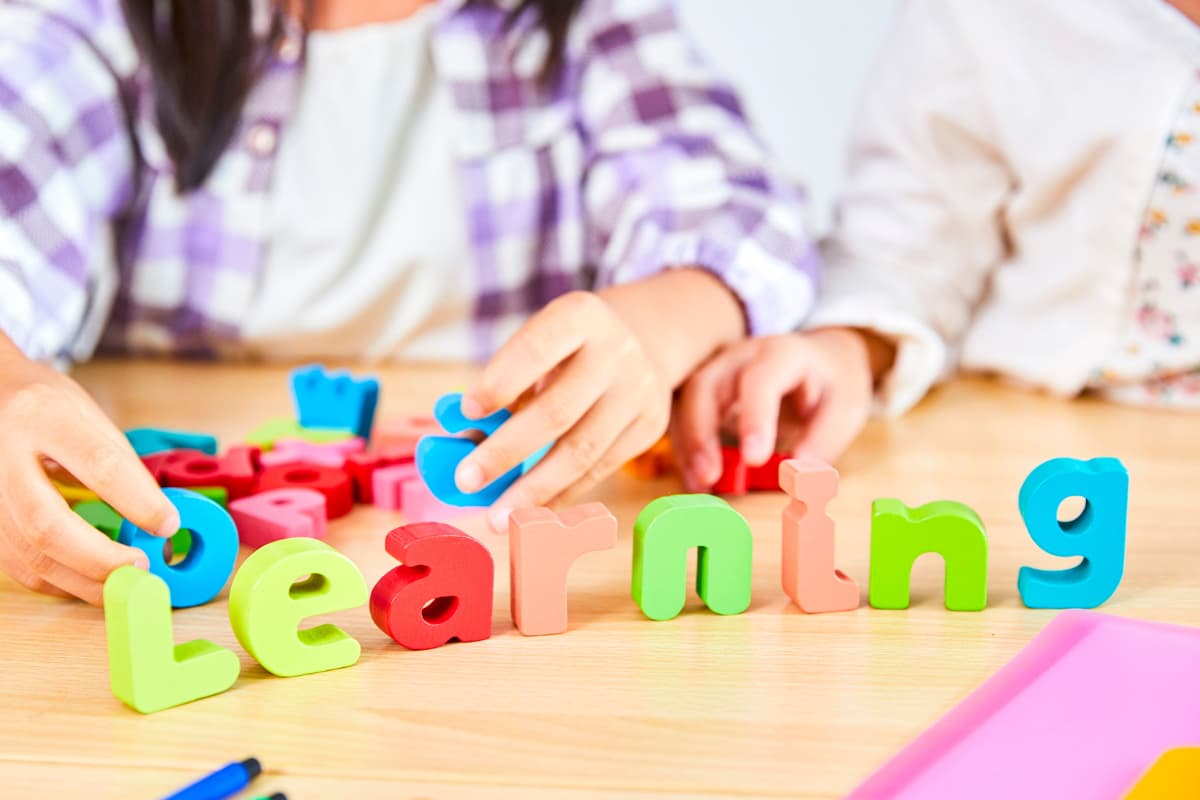
One of the biggest benefits of early learning is language development. When children are exposed to alphabets, phonics, and words at an early age, they develop better listening and speaking skills. This early exposure makes it easier for them to understand reading and writing later on.
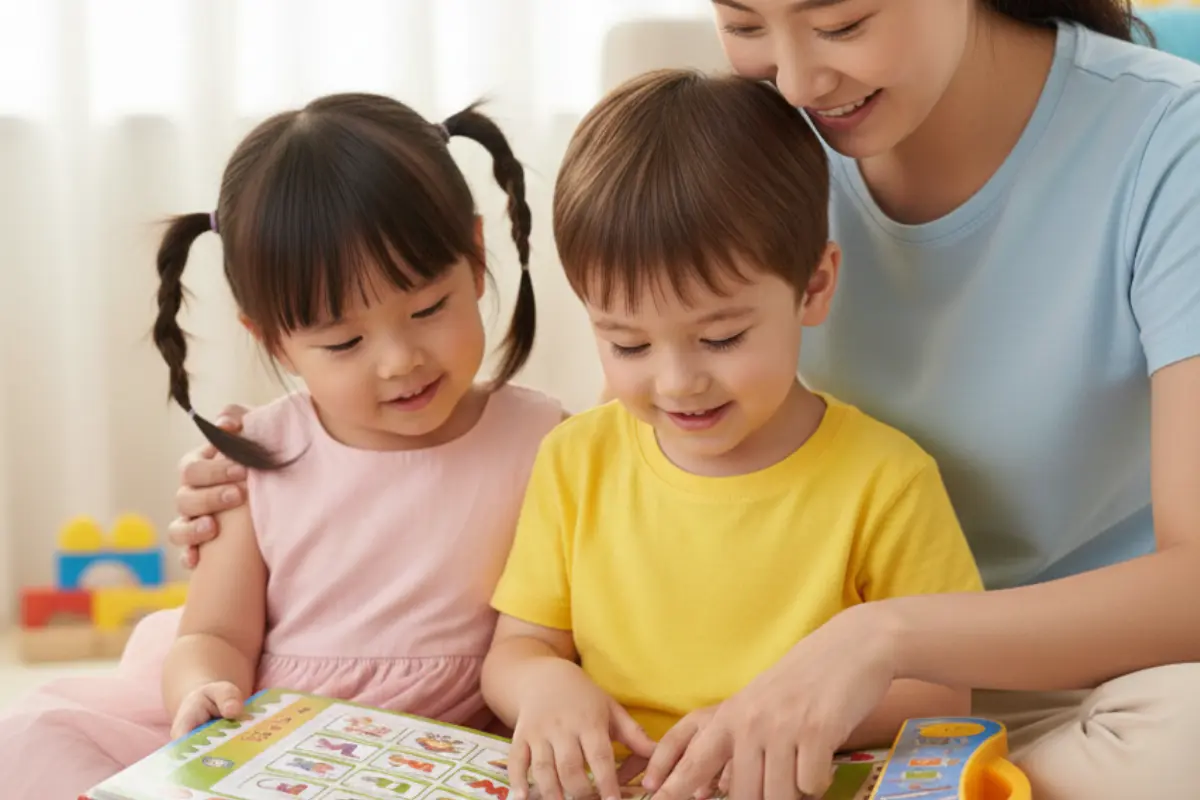
Interactive learning tools are especially effective for young children. Books and educational materials that combine visuals, sounds, and hands-on interaction keep children engaged for longer periods. These tools help children stay curious and motivated, making learning feel like play rather than a task.
Parents play a key role in early education. Simple daily activities, such as reading together or encouraging children to explore learning tools, can create a positive learning environment at home. When parents actively participate, children feel supported and confident, which strengthens their emotional development as well.
Another important aspect of early learning is building independence. When children are encouraged to explore educational materials on their own, they gain confidence and problem-solving skills. This sense of independence prepares them for school and everyday challenges.
At Weeshope, we believe that early learning should be accessible, engaging, and stress-free. Educational products designed for young learners should support natural curiosity and make learning a joyful experience. By creating a strong foundation early on, children are better prepared for future learning and personal growth.
Early learning is not about how much a child learns, but how they learn. When children enjoy the process, learning becomes a lifelong habit rather than a short-term activity.